99.5% Purity, 71.2% P2O5
A concentrated phosphorus assay means less material is needed per batch, and the narrow purity band supports repeatable dosing instead of batch-by-batch recalculation.
 ✓ Verified Elite Supplier
{{ variable.name }}
High-Purity Phosphate Material
A calcium metaphosphate grade built for buyers who need a tight impurity profile and a predictable phosphorus assay rather than a generic phosphate filler.
99.5% Purity Calcium Metaphosphate 71.2% P2O5 Low Iron Supplier
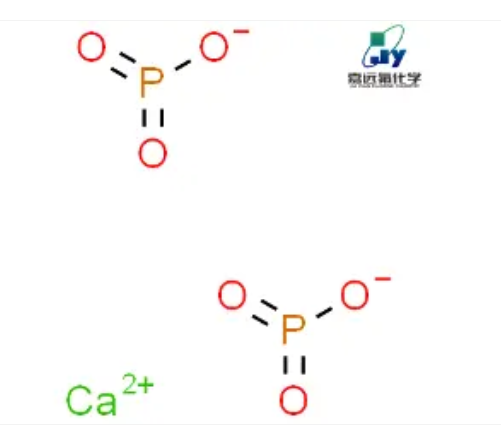
Calcium Metaphosphate CAS 123093-85-6 at 99.5% purity with 71.2% P2O5, Fe 2.9 ppm and LOI 0.31% for fertilizer, biomedical ceramics and optical glass use.
/products/calcium-metaphosphate-99-5-purity-low-iron
Calcium Metaphosphate (CAS 123093-85-6) supplied by Changzhou Jiayuan Chemical Co., Ltd. is a high-purity phosphate material with a measured P2O5 content of 71.2% and a purity of 99.5%. Iron is held at 2.9 ppm, while cobalt, chromium, titanium, copper, manganese, nickel and vanadium each remain below 1 ppm. Loss on ignition is 0.31%, and strontium is present at 1126 ppm.
The same specification serves three buying groups: fertilizer blenders working with citrate-soluble phosphorus, developers of bioactive ceramics and glass for bone repair research, and optical glass producers using phosphate as a melting and network component. Because the impurity window is narrow, buyers can qualify one material and reuse the data across several processes.
A concentrated phosphorus assay means less material is needed per batch, and the narrow purity band supports repeatable dosing instead of batch-by-batch recalculation.
Low iron helps protect colour and transmittance in glass melts and limits iron-driven discolouration in high-purity downstream products.
Co, Cr, Ti, Cu, Mn, Ni and V are each controlled under 1 ppm, reducing the risk of side reactions and cutting the need for downstream purification steps.
Low weight loss on burning gives predictable behaviour during sintering and melting, which helps hold glass transmittance and ceramic glaze results within target.
Roots in acidic soil can take up the phosphorus continuously; the supplier reports a 20–30% lower application rate than ordinary phosphate fertilizers.
Biocompatibility, biodegradability and osteoconductivity make the grade relevant to bioactive ceramics, glass and bone repair scaffold research.
| Parameter | Value |
|---|---|
| Product | Calcium Metaphosphate |
| CAS Number | 123093-85-6 |
| Purity | 99.5% |
| P2O5 Content | 71.2% |
| Loss on Ignition (weight loss on burning) | 0.31% |
| Iron (Fe) | 2.9 ppm |
| Strontium (Sr) | 1126 ppm |
| Cobalt (Co) | <1 ppm |
| Chromium (Cr) | <1 ppm |
| Titanium (Ti) | <1 ppm |
| Copper (Cu) | <1 ppm |
| Manganese (Mn) | <1 ppm |
| Nickel (Ni) | <1 ppm |
| Vanadium (V) | <1 ppm |
This grade is defined by the assay and impurity values above rather than by a published model code. Buyers configure the order through packaging and delivery format:
Bulk orders support flexible packaging combinations and coordinated logistics, so mixed-format shipments can be arranged within one order.
The product is a calcium phosphate salt carrying the CAS designation 123093-85-6 and recorded under the reference CaHO3P. Its phosphorus is present as P2O5 at 71.2% of the material, which is where the concentrated fertilizer and melting behaviour come from. Strontium at 1126 ppm is the only trace element reported above the 1 ppm band; iron is the next highest at 2.9 ppm.
Because the trace metals are held below 1 ppm, the material behaves consistently in high-temperature sintering: the company reports controllable melting characteristics that help optimise glass transmittance and chemical stability. Storage in a ventilated, low-temperature, dry warehouse, kept separate from oxidants and food additives, protects that profile before use.
Suited to legumes, forage grass, grains, corn and sugar beet. Continuous root uptake in acidic soil and longer-lasting effect than equivalent ordinary phosphate fertilizers reduce topdressing frequency; efficiency improves when combined with nitrogen and organic fertilizers.
Used in bioactive ceramics and glass for bone tissue development and repair, with application value in bone repair scaffold research.
Raw material for high-melting-point optical glass in mobile phone lenses, vehicle monitoring lenses and digital camera lenses; also used in ceramic glazes, high-temperature adhesives, refractory materials and special glass sealing materials.
Selection consultation runs from first enquiry through after-sales support, which is useful when one material is being qualified for more than one production line.
CAS 123093-85-6, with a measured P2O5 content of 71.2% and a purity of 99.5%.
Iron is 2.9 ppm. Cobalt, chromium, titanium, copper, manganese, nickel and vanadium are each below 1 ppm. Strontium is 1126 ppm.
Weight loss on burning is 0.31%.
Plastic woven bags, aluminum foil bags and fiber drums are standard. Other packaging solutions can be discussed for bulk orders.
In a ventilated, low-temperature, dry warehouse, separated from oxidants and food additives.
Yes. Sample testing is supported, and the company assists with analysing your application data and providing usage recommendations.
Yes. The phosphorus is citrate-soluble and can be continuously absorbed by crop roots in acidic soil, and the supplier reports a 20–30% lower application rate than ordinary phosphate fertilizers.
It is used as a raw material for high-melting-point optical glass, including lenses for mobile phones, vehicle monitoring and digital cameras, and also in ceramic glazes, high-temperature adhesives, refractories and glass sealing materials.
Share your target P2O5 assay, packaging preference and application so the technical team can confirm the specification against your process.
Changzhou Jiayuan Chemical Co., Ltd. was established in 2015 and serves markets including the USA.